One of the most common questions from Canadian retirees: "How much do I actually need to live comfortably in Panama?" Here's a detailed breakdown based on real numbers from expats living in Panama today.
The Quick Answer
For a comfortable retired lifestyle in Panama, plan for:
Boquete (Mountain Living)
$1,400 - $2,200per month / couple
Panama City (Urban)
$1,800 - $3,000per month / couple
Beach Communities
$1,500 - $2,500per month / couple
These ranges assume renting (not owning), modest but comfortable lifestyle, and typical retiree spending patterns. Let's break down each category.
Housing: Your Biggest Expense
Housing costs vary dramatically by location and lifestyle choice:
Boquete Rentals
| Property Type | Monthly Rent (USD) |
|---|---|
| 1BR apartment, downtown | $500-700 |
| 2BR apartment | $700-1,000 |
| 2BR house with garden | $800-1,200 |
| 3BR house, premium area | $1,200-1,800 |
Panama City Rentals
| Property Type | Monthly Rent (USD) |
|---|---|
| 1BR apartment, El Cangrejo | $800-1,200 |
| 2BR apartment, Costa del Este | $1,200-1,800 |
| 2BR apartment, Punta Pacifica | $1,500-2,500 |
| Luxury condo, oceanfront | $2,500-4,000+ |
💡 Rental Tip
Many Panama City apartments come with one or more parking spots and access to building amenities (pool, gym, security) included in rent. Factor this in when comparing to stand-alone housing.
Utilities
Utility costs are significantly lower than Canada – especially with Pensionado discounts:
| Utility | Boquete | Panama City |
|---|---|---|
| Electricity | $30-60 | $80-150 (AC) |
| Water | $10-20 | $15-30 |
| Gas (cooking) | $5-10 | $8-15 |
| Internet (fiber) | $40-60 | $40-60 |
| Mobile phone | $15-30 | $15-30 |
| Total (before discounts) | $100-180 | $160-285 |
| With Pensionado 25% off | $75-135 | $120-215 |
Note: Boquete's mild climate means no AC needed – a significant savings over Panama City or beach areas.
Food & Groceries
Food costs depend heavily on your shopping habits:
Grocery Shopping
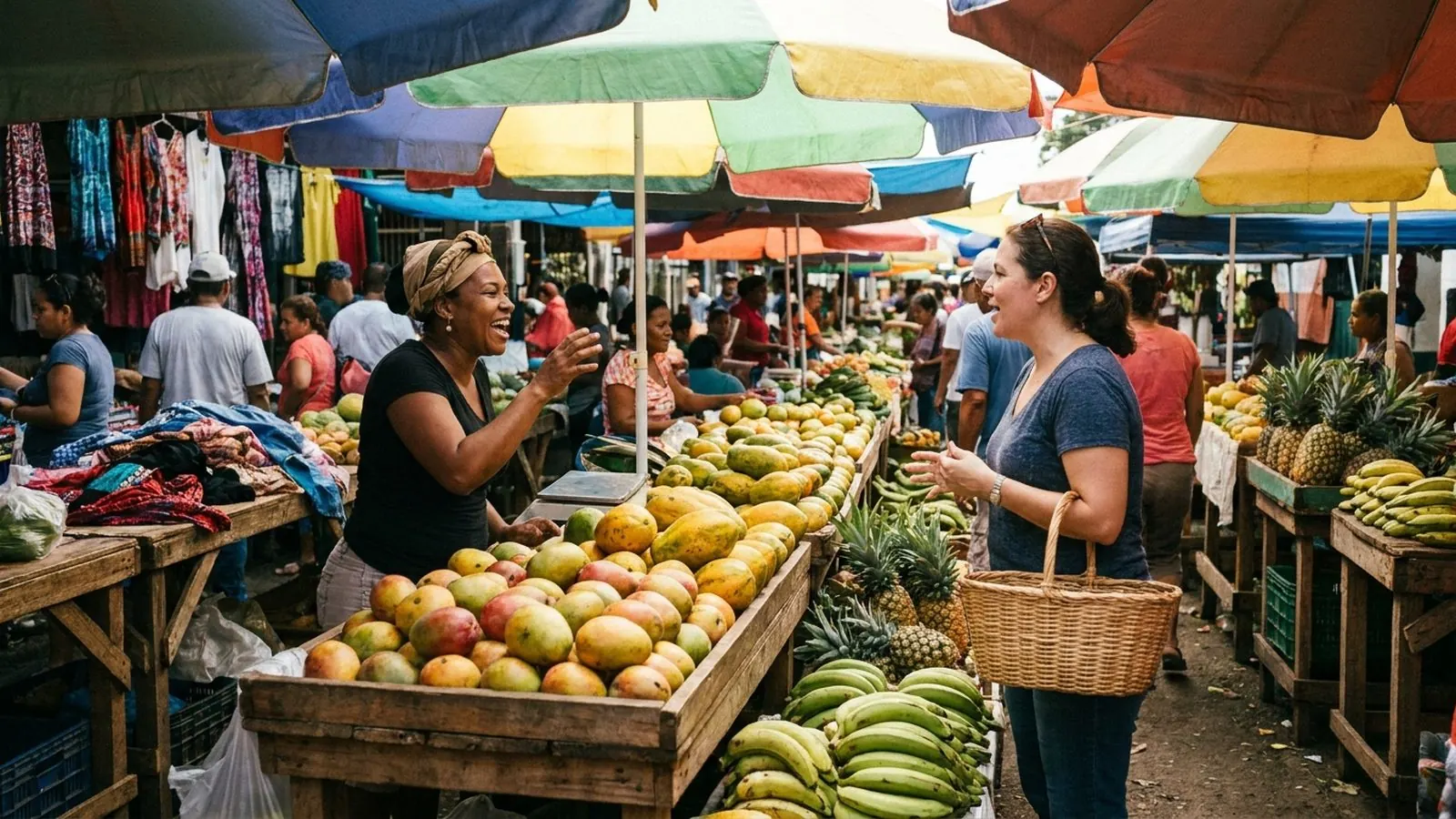
- Local markets & Super 99: Most affordable option, fresh produce
- Riba Smith: Mid-range, good selection of imported goods
- PriceSmart (Costco equivalent): Bulk buying, membership required
- Organic/specialty stores: Higher prices, similar to Canada
| Item | Price (USD) |
|---|---|
| Milk (1 gallon) | $4.50-5.50 |
| Bread (loaf) | $1.50-3.00 |
| Eggs (dozen) | $2.50-3.50 |
| Chicken breast (lb) | $2.50-3.50 |
| Rice (5 lbs) | $3.00-4.00 |
| Local beer (6-pack) | $5.00-7.00 |
| Wine (decent bottle) | $8.00-15.00 |
Monthly grocery budget: $350-600 for a couple, depending on diet and preferences.
Dining Out
Restaurant costs are very reasonable, especially with Pensionado discounts:
- Local fonda (casual): $4-7 per meal
- Mid-range restaurant: $12-20 per person
- Upscale dining: $30-50 per person
- Coffee shop: $2-4 for coffee
With the 25% Pensionado restaurant discount (Mon-Thu), dining out becomes even more affordable. Many retirees eat out 3-4 times per week.
Transportation
If You Own a Car
- Gas: $3.50-4.00/gallon (similar to Canada)
- Insurance: $50-100/month
- Maintenance: $50-100/month average
- Registration: $50-100/year
Total car ownership: $150-250/month
Without a Car
Panama City has excellent public transit and Uber:
- Metro: $0.35 per ride
- Bus: $0.25-1.25
- Uber: Very affordable, $3-10 for most trips
- Taxis: $3-15 for city trips
In Boquete, you'll likely want a car or use the local taxi/shuttle system ($1-3 around town).
Healthcare & Insurance
Budget for health insurance plus out-of-pocket expenses:
- Local health insurance: $150-350/month per person (age dependent)
- International insurance: $300-600/month per person
- Doctor visits: $50-80 (specialist)
- Prescriptions: Varies, generally 50-70% less than Canada
Budget: $300-700/month for a couple, depending on coverage choice and health needs.
Entertainment & Lifestyle
This is where Panama really shines – entertainment is affordable:
- Movie ticket: $6-8 (50% off with Pensionado)
- Gym membership: $30-60/month
- Golf (Coronado): $50-100/round
- Yoga class: $5-10
- Domestic flights: $80-150 round trip (25% off with Pensionado)
- Hotel (weekday): 50% off with Pensionado
Sample Monthly Budgets
Comfortable Budget – Boquete Couple
| Housing (2BR house) | $900 |
| Utilities | $100 |
| Groceries | $400 |
| Dining out (2x/week) | $150 |
| Transportation (car) | $150 |
| Health insurance | $300 |
| Entertainment | $100 |
| Miscellaneous | $100 |
| Total | $2,200 |
Comfortable Budget – Panama City Couple
| Housing (2BR condo) | $1,400 |
| Utilities | $180 |
| Groceries | $500 |
| Dining out (3x/week) | $250 |
| Transportation (no car) | $100 |
| Health insurance | $400 |
| Entertainment | $150 |
| Miscellaneous | $120 |
| Total | $3,100 |
Compared to Canada
How does this stack up against staying in Canada?
| Expense | Toronto | Panama City | Savings |
|---|---|---|---|
| 2BR apartment | $2,800 | $1,400 | 50% |
| Utilities | $250 | $180 | 28% |
| Healthcare | $0* | $400 | - |
| Groceries | $700 | $500 | 29% |
| Dining out | $400 | $250 | 38% |
| Total | $4,150 | $2,730 | 34% |
*OHIP covered, but doesn't include dental, vision, prescriptions, or private insurance many retirees carry
See It For Yourself
Numbers on a page only tell part of the story. Experience the lifestyle and costs firsthand with our Customized Neighbourhood Discovery.
View Package DetailsFinal Thoughts
The bottom line: a couple can live comfortably in Panama on $2,000-3,000 USD per month. This means your CPP + OAS + modest savings can provide a genuinely comfortable retirement lifestyle – something increasingly difficult to achieve in Canada's major cities.
The key variables are:
- Location: Boquete is cheapest, Panama City most expensive
- Housing: Your biggest expense and biggest variable
- Lifestyle: Can spend more if you want; don't have to
- Healthcare: Budget appropriately for insurance
 Visa Guide
 Healthcare
 Destination